America’s Serengeti
Yellowstone is famous for its geysers, but for many visitors the real magic is the wildlife. The park protects one of the largest concentrations of wild animals in the lower 48 states, from thundering herds of bison to elusive wolves. Spotting them is a thrill, but it helps to know where to look, when to go, and how to watch safely and respectfully. Here is your guide to the animals of Yellowstone.
The Best Places for Wildlife
Two wide valleys are the beating heart of Yellowstone wildlife watching. Lamar Valley in the park’s northeast is nicknamed America’s Serengeti for its sweeping grasslands and abundant animals, and it is the top spot for wolves. In the center of the park, Hayden Valley is a reliable place to find bison, bears, and birds along the river. Open valleys like these, especially near water, are always your best bet.
The Best Time of Day
Timing matters as much as location. Most animals are active in the cool hours around dawn and dusk, then rest during the heat of midday. If you want the best odds, get out early. That is exactly why a sunrise wildlife safari is so rewarding, since you are in the valleys watching just as the animals become active and the light turns golden.
Animals You Might See
Yellowstone is home to an incredible cast of characters, and no two days are alike.
- Bison, the park’s icon, roaming in huge herds almost everywhere.
- Elk, often grazing in meadows and near Mammoth Hot Springs.
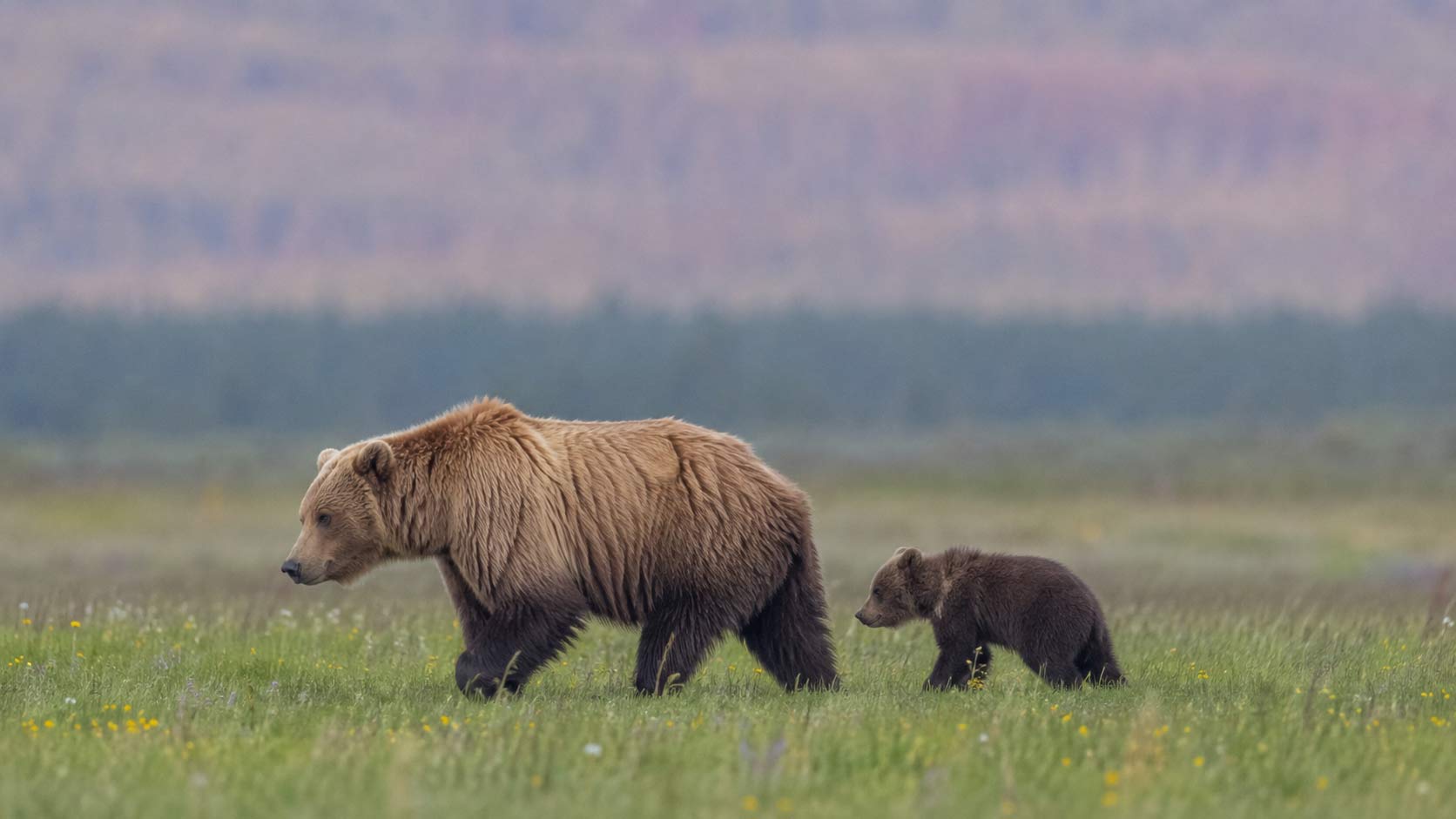
- Grizzly and black bears, seen in valleys and forest edges, especially in spring.
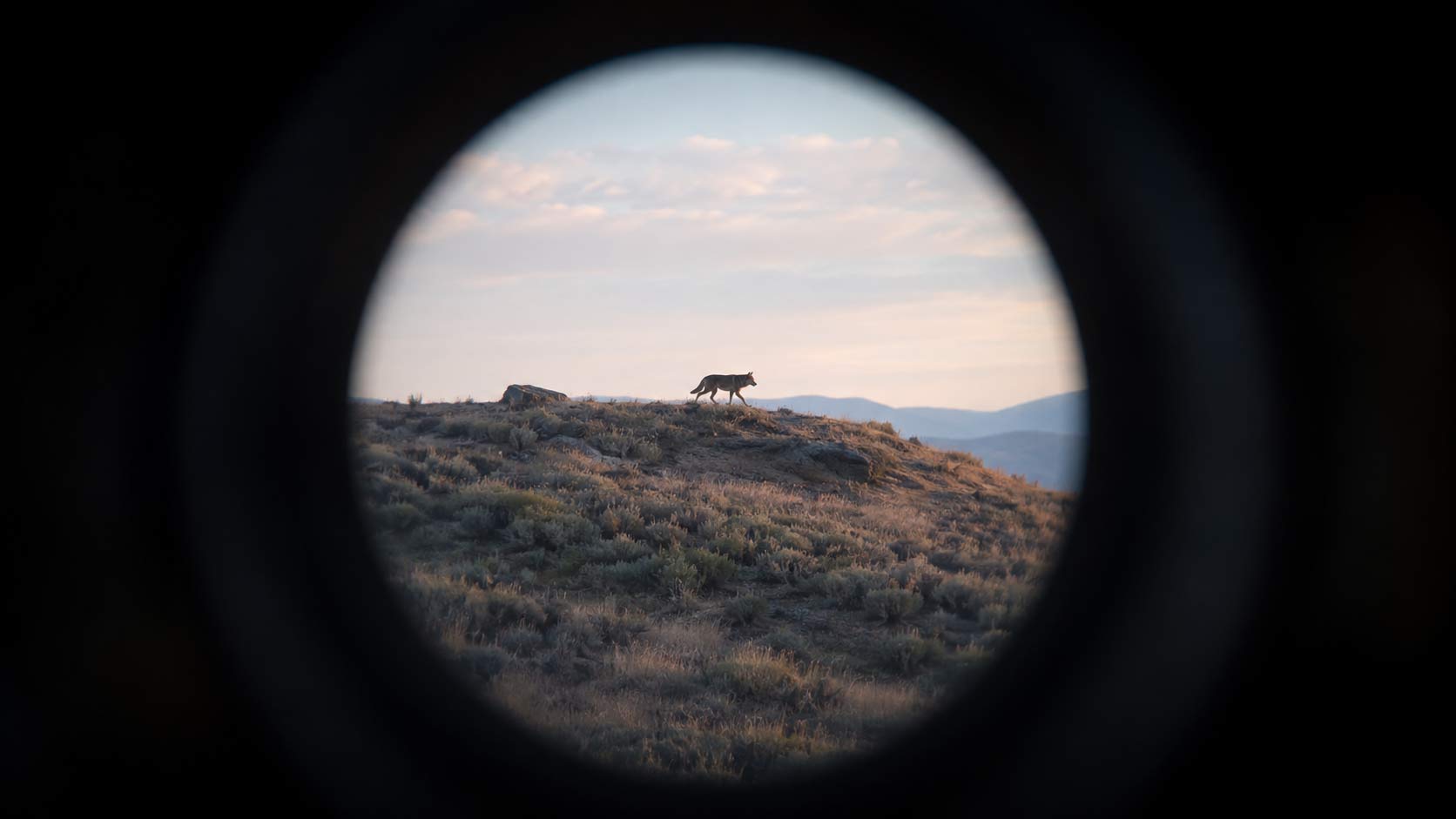
- Wolves, best spotted at a distance in Lamar Valley at first light.
- Pronghorn, bighorn sheep, bald eagles, coyotes, and the occasional moose.
Part of the fun is never knowing who will appear over the next rise.
Wildlife Safety and Etiquette
These are wild animals, and keeping your distance protects both you and them. The park requires you to stay at least 100 yards from bears and wolves, and at least 25 yards from bison, elk, and everything else. Never approach, feed, or crowd an animal for a photo. Bison may look slow, but they are fast and powerful and injure people every year. Carry bear spray on trails, stay aware, and when in doubt, watch from your vehicle.
Bring the Right Gear
A little preparation makes wildlife watching far more rewarding. Pack binoculars or a spotting scope, since many of the best sightings are at a distance. A camera with a good zoom lets you capture the moment without getting close. And dress in warm layers, because Yellowstone mornings are cold even in summer, and patience is often the difference between a glimpse and a great sighting.
Go With a Guide
The surest way to see wildlife is to travel with someone who knows the park. Local guides track where animals have been spotted that very morning, know how to read their behavior, and carry the scopes that turn a distant speck into an unforgettable view, all while keeping a safe, respectful distance. Our Wildlife Safari and Sunrise Wildlife Safari tours are built around exactly this experience.
A Wild Encounter Awaits
From bison herds and grazing elk to a wolf slipping across a distant ridge, Yellowstone offers wildlife encounters unlike anywhere else in America. Head to Lamar or Hayden Valley, go at dawn or dusk, keep a safe distance, and bring your binoculars and your patience. Do that, whether on your own or with a guide, and the park will reward you with a wild moment you will never forget.